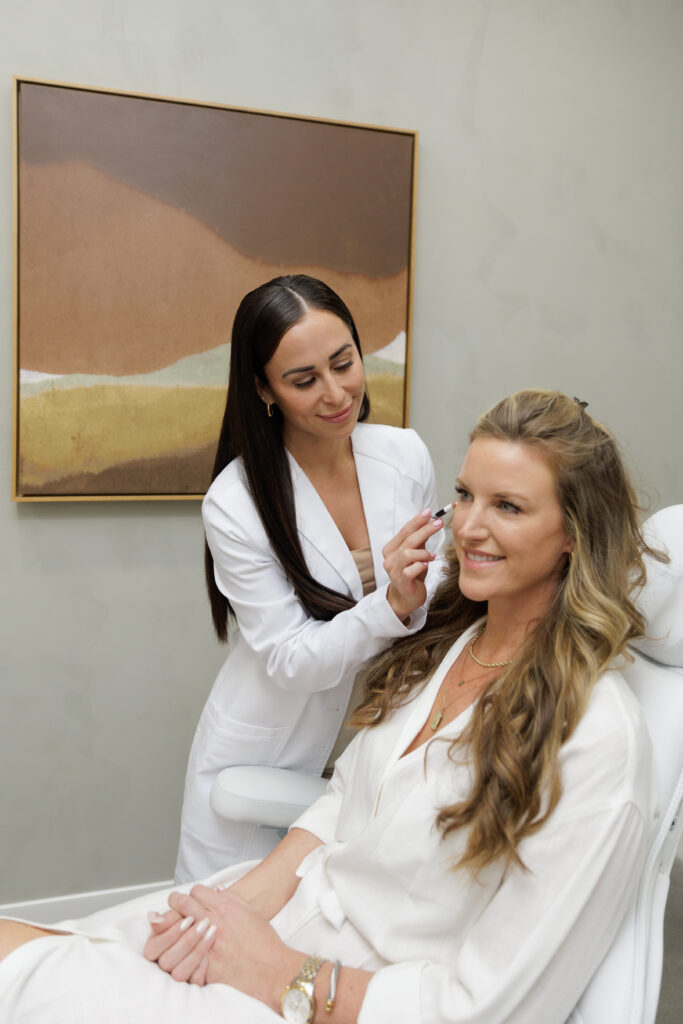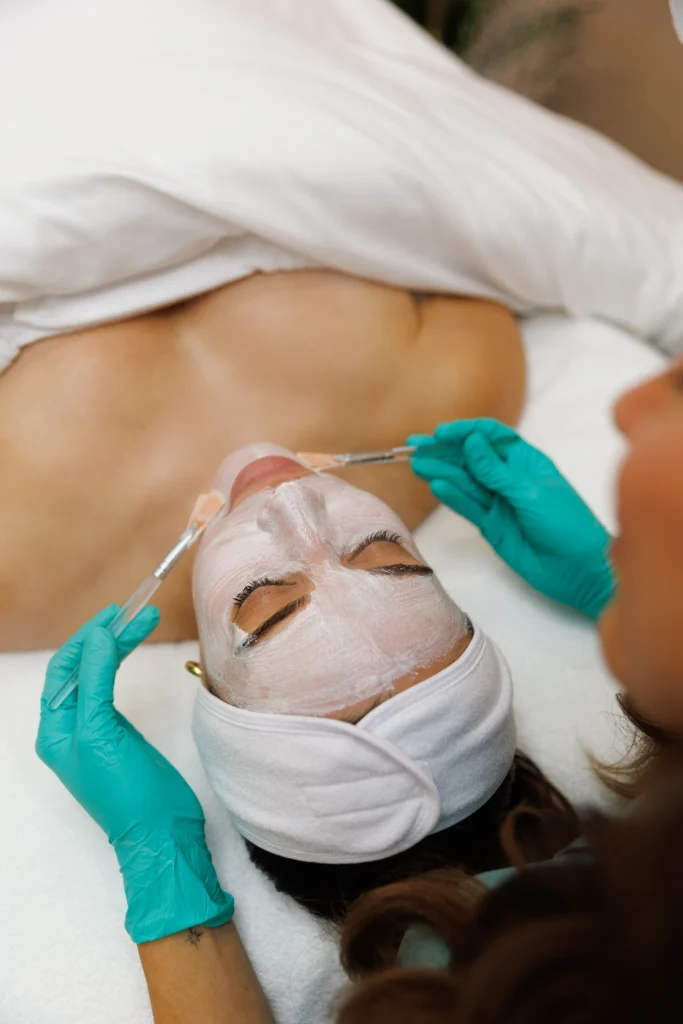
If you are booking a facial and wondering whether you need an exfoliating scrub before facial appointments, the safest answer is usually no. Exfoliation can be helpful in a skincare routine, but scrubbing your skin right before a professional facial is not usually necessary. In some cases, using an exfoliating scrub before facial treatments can make your skin more sensitive before your provider begins treatment.
At The Treatment Skin Boutique, your facial is designed to be customized to your skin, your goals, and the condition of your skin on the day of your appointment. Your provider may choose gentle exfoliation, hydration, extractions, barrier support, brightening ingredients, or a more corrective approach depending on what your skin needs. That means your job before your facial is not to do more. It is to arrive with skin that is calm, clean, and ready to be evaluated.
Should You Exfoliate Before a Facial?
The question “should you exfoliate before a facial?” comes up often because many clients want their skin to feel smooth before they arrive. It makes sense. If exfoliation helps lift away dead surface skin, it may seem like using an exfoliating scrub face product beforehand would make the facial more effective.
However, professional facials already include steps that are chosen specifically for your skin. Depending on the service, your provider may use enzymes, gentle acids, dermaplaning, microdermabrasion, Dermasweep, masks, serums, extractions, or other professional techniques. When you use an exfoliating scrub before facial appointments, especially a gritty scrub or strong active, your skin may be more reactive during treatment.
A good general rule is this: do not pre-treat your skin aggressively before your facial. Let your provider decide what level of exfoliation is appropriate instead of relying on an exfoliating scrub before facial care.
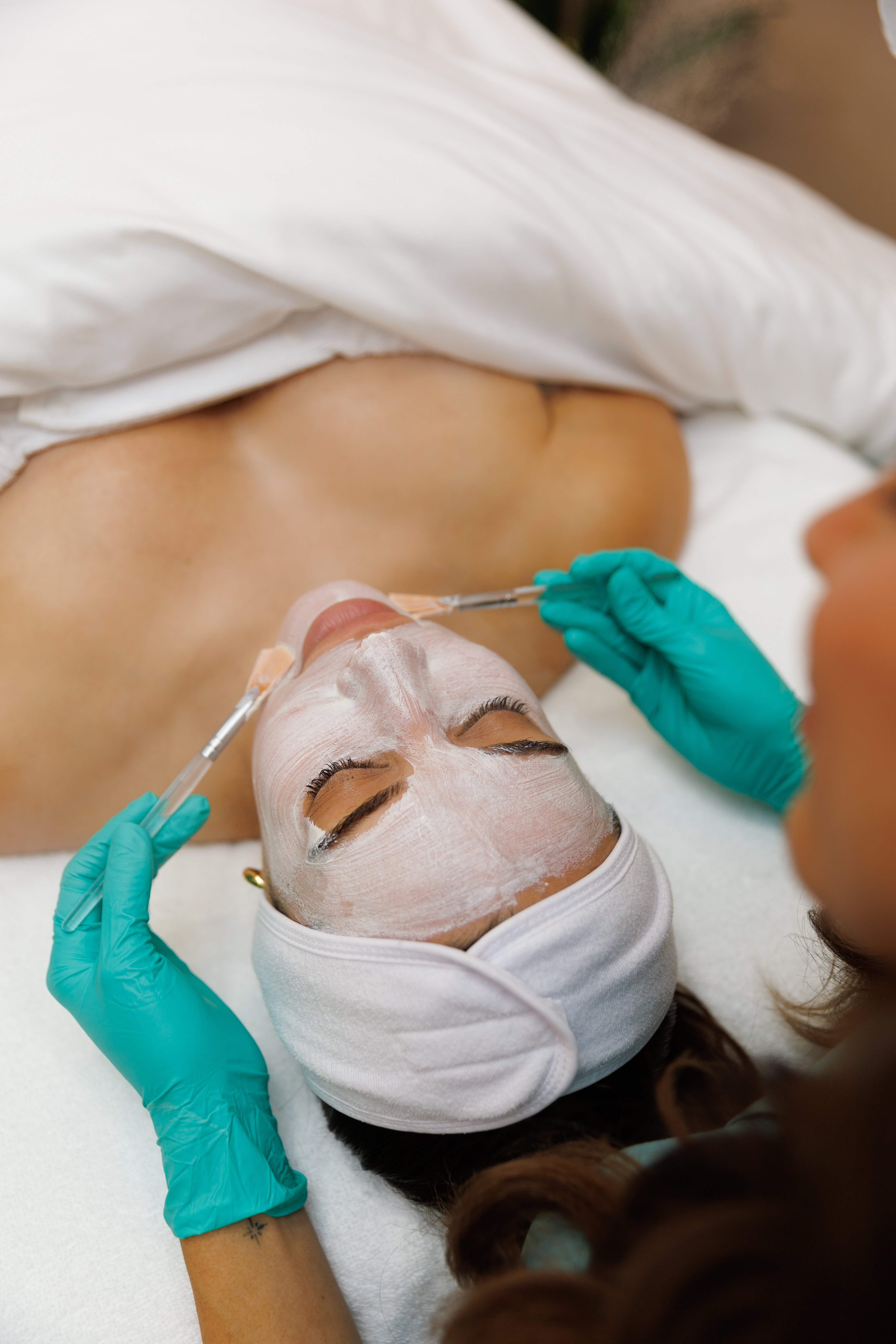
Why You Should Skip an Exfoliating Scrub Before Facial Treatments
Using an exfoliating scrub before facial treatments can create unnecessary irritation. Physical scrubs may be too abrasive, especially if the formula contains rough particles or if you massage too firmly. Even when your skin looks normal afterward, the surface barrier may be slightly compromised.
That matters because facials are meant to improve the look and feel of your skin, not push it past its tolerance. If your skin arrives dry, flushed, irritated, or over-exfoliated, your provider may need to adjust the treatment. This could mean skipping certain steps, using gentler products, avoiding extractions, or focusing more on calming and hydration.
Another reason to avoid an exfoliating scrub before facial services is that it can make it harder for your provider to assess your skin’s natural baseline. If your skin is temporarily red or sensitized from scrubbing, your provider may not be seeing your skin in its most accurate condition.
Eminence Organics gives similar guidance, recommending clients avoid harsh exfoliants or abrasive scrubs before a facial because they can make skin more vulnerable to irritation during treatment. They also recommend waiting a few days after a facial before exfoliating again.
What to Do Instead Before Your Facial
Before your appointment, keep your skincare routine simple. Use a gentle cleanser, apply a basic moisturizer if your skin needs it, and wear sunscreen during the day. Avoid introducing new products, strong masks, retinol, exfoliating acids, or aggressive scrubs in the days leading up to your visit.
The Treatment’s pre-treatment instructions page encourages clients to review the specific instructions for their upcoming service before arriving. This includes guidance for facials, Dermasweep, Microdermabrasion, Acne Facials, Focused or Signature Facials, peels, microneedling, injectables, and other medical spa treatments.
This is important because not every facial is the same. A hydrating facial may have different preparation needs than an acne-focused facial, microdermabrasion, Dermasweep, or a peel. When in doubt, keep your routine gentle and avoid an exfoliating scrub before facial appointments unless your provider specifically advises otherwise.
A Simple Pre-Facial Routine
The best pre-facial routine is usually straightforward. You do not need to overhaul your skincare, buy a new scrub, or try a trending exfoliating product the night before your visit. A calm barrier gives your provider more flexibility and helps your skin tolerate treatment more comfortably.
Cleanse Gently
Use a cleanser that removes oil, sunscreen, and makeup without leaving your skin tight or stripped. Avoid cleansing brushes, rough washcloths, scrubbing tools, or an exfoliating scrub before facial visits. Your skin does not need to feel squeaky clean to be ready for treatment.
Avoid Harsh Actives
In the days before your facial, pause strong exfoliating ingredients unless your provider has told you otherwise. This may include glycolic acid, salicylic acid, lactic acid, retinoids, exfoliating masks, peel pads, and physical scrubs. These products can be useful in the right routine, but they may not be ideal immediately before a facial.
Protect Your Skin From the Sun
Try to avoid excess sun exposure before your appointment. Sunburned or irritated skin may limit what your provider can safely perform. Daily sunscreen is always important, but it is especially helpful when preparing for professional skincare treatments.
Skip New Products
The night before a facial is not the time to test a new serum, mask, peel, or exfoliating scrub before facial care. If your skin reacts, your appointment may need to be adjusted. Keep your routine familiar and simple.
What If You Already Used an Exfoliating Scrub?
If you already used an exfoliating scrub before facial treatment, do not panic. Let your provider know when you arrive. Mention what product you used, when you used it, and whether your skin feels sensitive, dry, itchy, flushed, or uncomfortable.
This helps your provider make the best decision for your skin. They may continue with the facial as planned, choose gentler products, focus on hydration and barrier support, or recommend rescheduling if your skin is too irritated. The goal is not to judge your routine. The goal is to protect your skin and support the best possible outcome.
Can You Exfoliate After a Facial?
Most clients should avoid exfoliating immediately after a facial. Your skin has already been professionally treated, and it may be more receptive, sensitive, or freshly exfoliated depending on the service. Adding another exfoliating scrub too soon can increase the chance of dryness, redness, or irritation.
Your provider may recommend a specific timeline depending on your skin type, treatment, and home-care routine. For more detailed aftercare guidance, review The Treatment’s post-treatment instructions.
When Is Exfoliation Helpful?
Exfoliation can still be a valuable part of skincare. It may help improve the look of dullness, rough texture, clogged pores, uneven tone, and buildup when used correctly. The key is timing, product choice, and frequency.
Some skin types tolerate exfoliation well. Others need a more cautious approach, especially if they are dry, reactive, acne-prone, rosacea-prone, recently treated, or using prescription skincare. This is why professional guidance matters. Your provider can help you understand whether your skin is better suited for a gentle enzyme, acid toner, retinol alternative, medical-grade exfoliant, or periodic in-office treatment.
If exfoliation is part of your home-care plan, your provider can help you determine when to restart it after your facial. This is more reliable than guessing whether an exfoliating scrub before facial appointments will help or hurt your results.
The Treatment Approach: Professional Guidance Over Guesswork
At The Treatment Skin Boutique, the goal is not simply to exfoliate more. The goal is to support healthier-looking, more confident skin through the right treatment plan and the right home-care routine.
If you are unsure whether to use an exfoliating scrub before facial appointments, skip it and ask your provider. They can recommend when to exfoliate, what type of exfoliation is best for your skin, and which products should be paused before or after treatment.

Final Answer: Do You Need an Exfoliating Scrub Before a Facial?
In most cases, no. You do not need an exfoliating scrub before facial appointments. Your provider will choose the right level of exfoliation during your service, based on your skin and treatment goals. Before your visit, focus on gentle cleansing, hydration, sunscreen, and avoiding harsh products.
For best results, arrive with calm skin, follow your service-specific pre-treatment instructions, and let your provider guide your facial and home-care routine. If you are choosing between gentle prep and an exfoliating scrub before facial services, gentle prep is usually the better choice.